
Hotel Real Inn Tijuana
- Location
- Zona Río
- Best for
- Medical travellers, companions and short stays
- Nearby
- Medical district, restaurants and pharmacies
- Transportation
- Private transportation available to and from the hotel
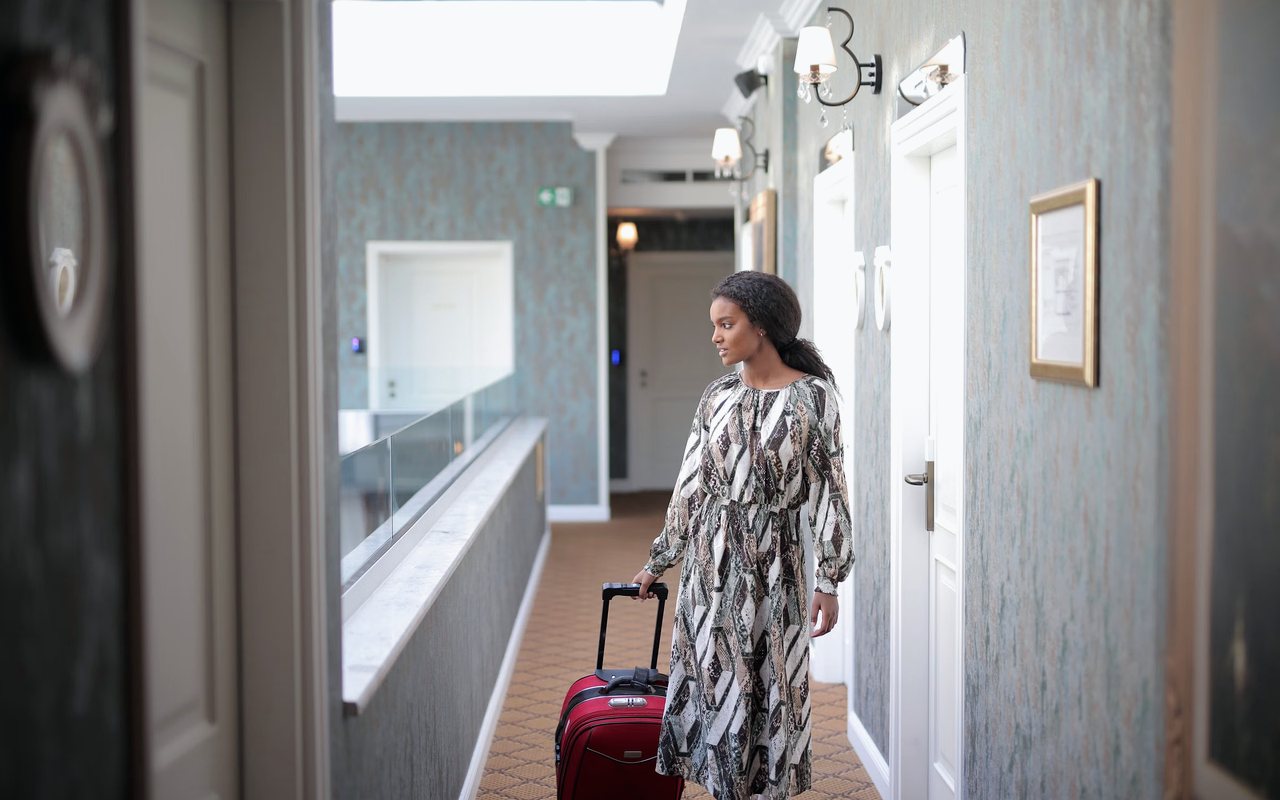
Choosing where to sleep is the second decision of a medical trip, right after choosing the surgeon — and it changes how every other day of the trip feels.
Travelling to Tijuana for medical or dental treatment? Choosing the right hotel can make your trip much easier, especially if you have appointments before and after your procedure. This guide explains which areas of Tijuana are most convenient for medical travellers, what to look for in a hotel after surgery, and how to arrange private transportation between San Diego, your hotel, clinics, hospitals and recovery facilities.
It is written for the patient who has already booked the procedure and now has to solve everything around it: the night before an early check-in, the days of follow-up visits, and the trip home.
Zona Río is the district most medical travellers end up in, and for a practical reason: it concentrates hospitals, surgical centres, specialist towers, laboratories and imaging within a few blocks, alongside hotels, restaurants and pharmacies. It also connects quickly to the San Ysidro crossing, which matters on the morning of a procedure and on the day you go home.
Zona Centro is the older downtown, walkable and well served by restaurants and pharmacies, with a wide range of prices. It is close to the pedestrian crossing, and a short drive from the Zona Río clinics.
Chapultepec and Agua Caliente sit on the hillside above the racetrack, where several private hospitals and surgical clinics are. Staying here can put you minutes from your surgeon, at the cost of a hillier, more residential setting.
Near the Tijuana medical district is less a neighbourhood than a criterion: some patients choose accommodation by walking distance to one specific clinic, which is reasonable when there are daily follow-ups.
Playas de Tijuana is the coastal end of the city, quiet and residential, popular with people who want ocean air during a recovery week. The trade is distance: it adds twenty to thirty minutes to every trip into the medical districts.
Rather than labelling any area as good or bad, weigh four things: proximity to your clinic, convenience of services around you, ease of transportation, and access to the border crossing you will use.
Elevator access matters more than anything else on this list if your mobility will be limited. Confirm the hotel has one and that your floor is served by it.
Room accessibility: a step-free bathroom, room to move with a walker, and a bed at a height you can get into without pulling on the abdomen.
A private bathroom, a comfortable bed and a quiet environment: recovery is mostly sleep, and the first nights are the hardest.
Room service or an on-site restaurant, so you are not obliged to go out for every meal, and a refrigerator for medication that needs it.
Wi-Fi to stay in contact with the clinic, your family and your transportation provider, and parking if a companion is driving.
Proximity to your clinic or hospital, and easy vehicle access at the entrance: a hotel where a vehicle can pull up at the door is a very different experience from one where you walk half a block with luggage.
These are hotels that come up repeatedly in content aimed at patients travelling to Tijuana, most of them in or around Zona Río. They are listed alphabetically by area, not ranked, and each entry links to its location so you can check current rates and availability yourself.
Cross Border Transport is not affiliated with these establishments and does not guarantee their prices, availability, quality, accessibility or any medical service they may offer. Verify everything directly with the hotel before booking.
They answer different needs. A hotel gives you privacy, room service and a normal room; a recovery house is set up for post-operative care and may offer nursing, meals and medication assistance. Patients having a procedure with significant recovery often use both: the hotel before, the recovery house after. Your surgeon is the one to tell you which your procedure requires.
Zona Río, in most cases. It concentrates the largest share of surgical centres, laboratories and specialist towers, and it is fifteen to twenty minutes from the San Ysidro crossing on a normal morning.
Yes, at any hotel in the city, and on the California side as well. Give us the hotel name and the reservation name at booking and the driver asks for you at reception.
Book the hotel first, then send us the address. The fare inside Tijuana is the same across the city, so the hotel choice does not change your transport cost — only your travel time to the clinic.
Tell us the date, the time and the two addresses. We confirm the vehicle, the driver and the published fare in writing — usually within minutes.